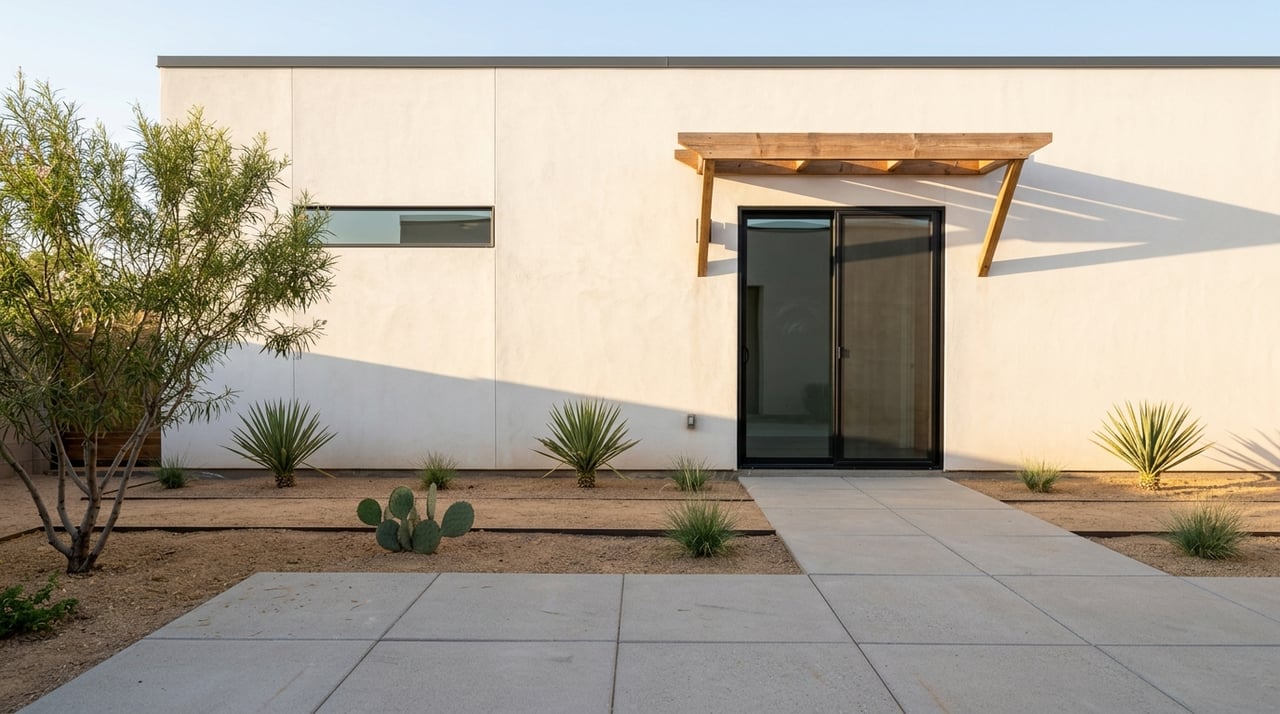
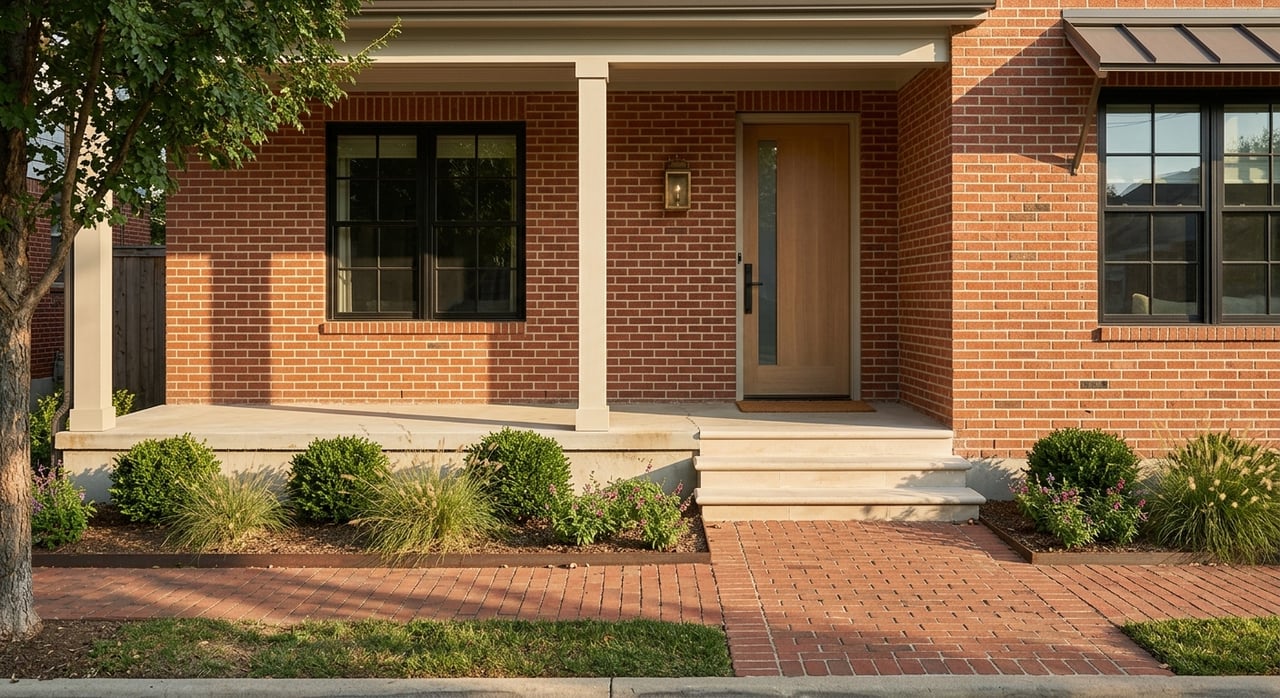
Thinking about buying or selling in Mesa del Sol and wondering how HOA life really works? You’re not alone. In a master-planned community, fees, rules, and amenities can shape your day-to-day experience and your long-term costs. This guide breaks down what HOA fees typically cover, the perks you can expect, and the tradeoffs to consider in Mesa del Sol. You’ll also get practical checklists for buyers and sellers so you can move forward with confidence. Let’s dive in.
How HOA living works in Mesa del Sol
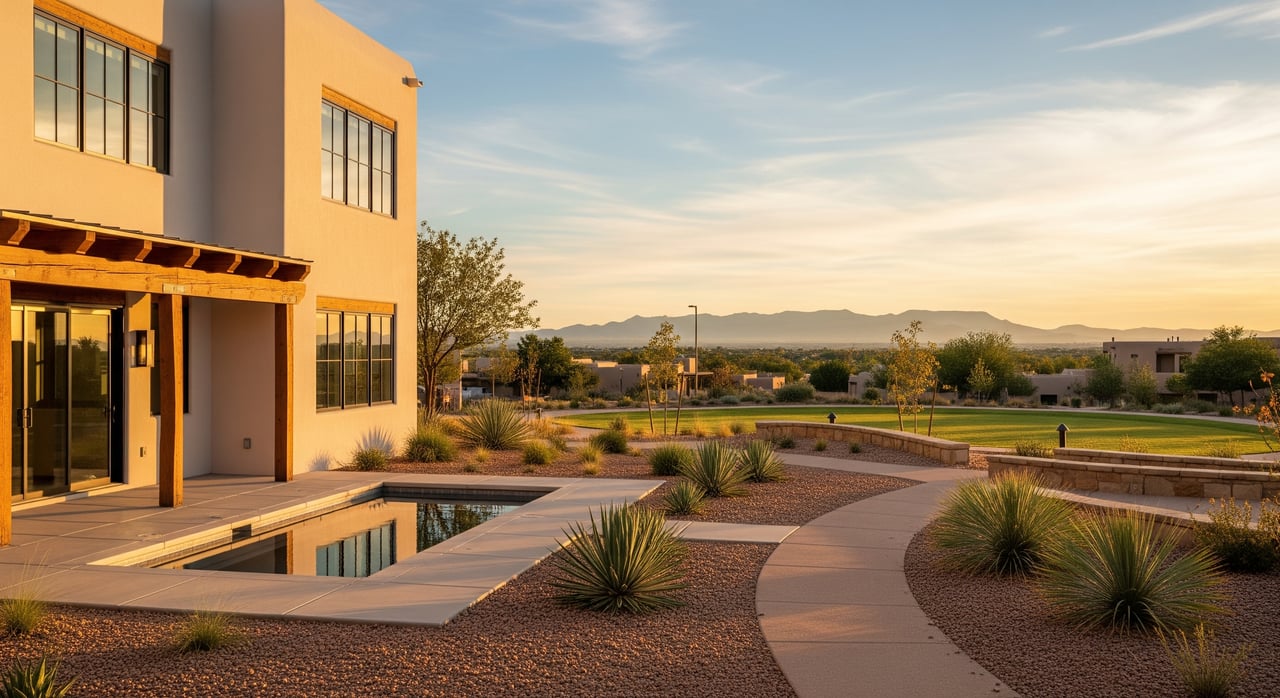
Mesa del Sol is a planned, mixed-use community on Albuquerque’s southeast side. Most homes are part of a master association that oversees community-wide services and standards. Many properties also belong to a sub-association, such as a condo or townhome HOA, that handles building-specific needs.
The master HOA typically manages common grounds, neighborhood landscaping, trails, parks, and broader community amenities. It also enforces recorded covenants and design guidelines. Sub-associations usually handle items like exterior maintenance for attached homes, shared building systems, and insurance for common elements.
Your rights and responsibilities are defined by the recorded governing documents. These include the Declaration of Covenants, Conditions, and Restrictions, plus the bylaws and rules and regulations. Always request these documents early in your process so you know exactly what applies to your property.
What your HOA fees cover
HOA assessments fund the services and upkeep that keep a master-planned community running smoothly. In Mesa del Sol, your fees may support:
- Common area maintenance: Landscaping, irrigation, trail upkeep, and street lighting in shared spaces.
- Amenities and operations: Community centers, pools, parks, fitness rooms, sports courts, and programming where available.
- Management and administration: Professional management, legal and accounting, and office expenses.
- Insurance: Master policies for common areas or shared building elements. You still need your own homeowner’s policy for your structure and interior contents.
- Utilities for common areas: Water for landscaping, trash service for shared spaces, or lighting. This varies by association.
- Reserves for major projects: Set-aside funds for roof replacements, pavement, exterior painting, or equipment.
How assessments are set
Each year, the board approves a budget that sets your regular monthly or quarterly assessment. A reserve study helps determine how much should be saved for future capital repairs versus everyday operations. If reserves are short or unexpected work arises, the HOA may levy a special assessment. The approval process and notice requirements are spelled out in the CC&Rs.
In Mesa del Sol, fee structures can include both a master assessment and a sub-association assessment. Confirm whether a listing shows one or both. Ask for a clear breakdown so there are no surprises after closing.
Key financial indicators to review
Strong finances help keep fees predictable and avoid last-minute assessments. When you review documents, look closely at:
- Operating trends: Are there recurring deficits or steady surpluses?
- Reserve funding: How does the current reserve balance compare to the reserve study’s recommendations?
- Special assessments: Are there recent or pending assessments, and why were they needed?
- Delinquency rate: A high percentage of unpaid dues can pressure future budgets and may affect loan approvals.
Perks you can expect
Master-planned environments are designed to be convenient and cohesive. Mesa del Sol often offers:
- Maintained open spaces and trails: Integrated parks and paths that are routinely cared for.
- Community amenities: Depending on your sub-association and phase, you may have access to pools, gathering spaces, sports areas, or dog parks.
- Architectural consistency: Design guidelines that help maintain curb appeal and neighborhood standards.
- Organized programming: Community events that help you connect with neighbors and enjoy shared spaces.
These perks can reduce your personal maintenance burden and provide lifestyle benefits you may not find in non-HOA areas. Well-run associations with funded reserves can also support resale value by preserving the community’s condition.
Single-family vs. townhome or condo responsibilities
Coverage varies by product type and by association:
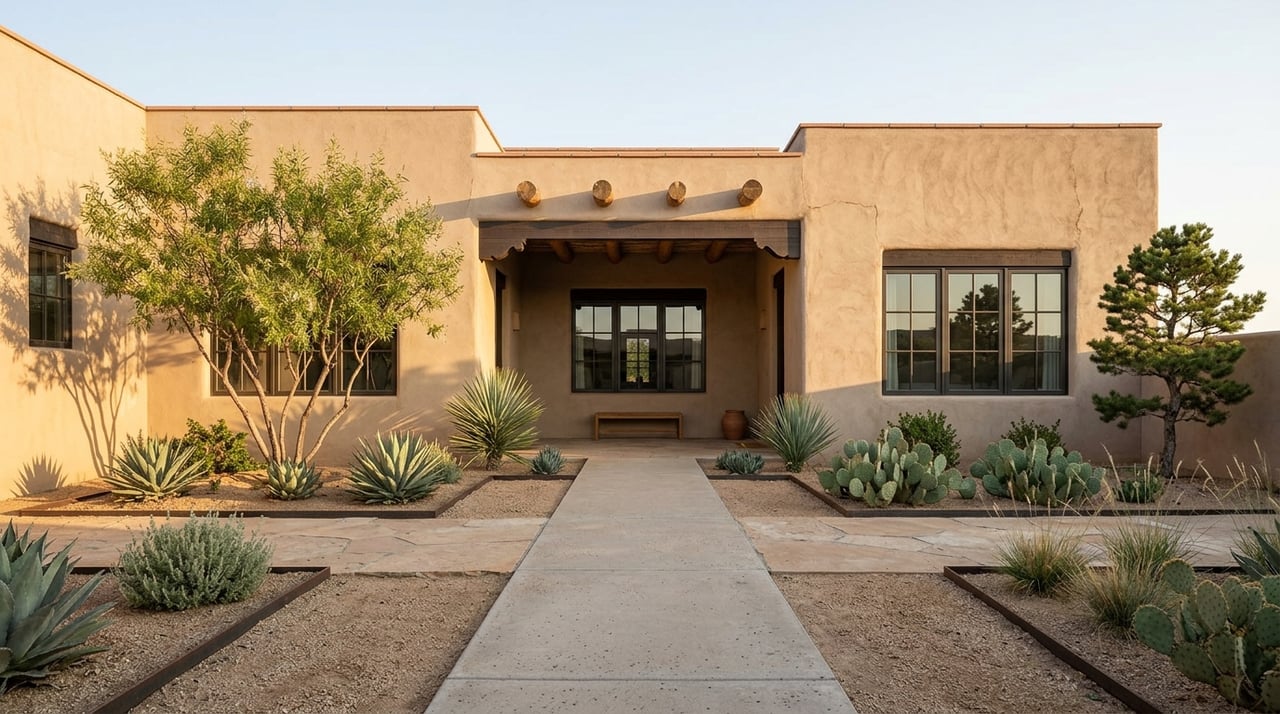
- Detached single-family homes: You typically pay the master fee for shared areas and amenities. Exterior maintenance on your home is usually your responsibility unless noted otherwise in your HOA documents.
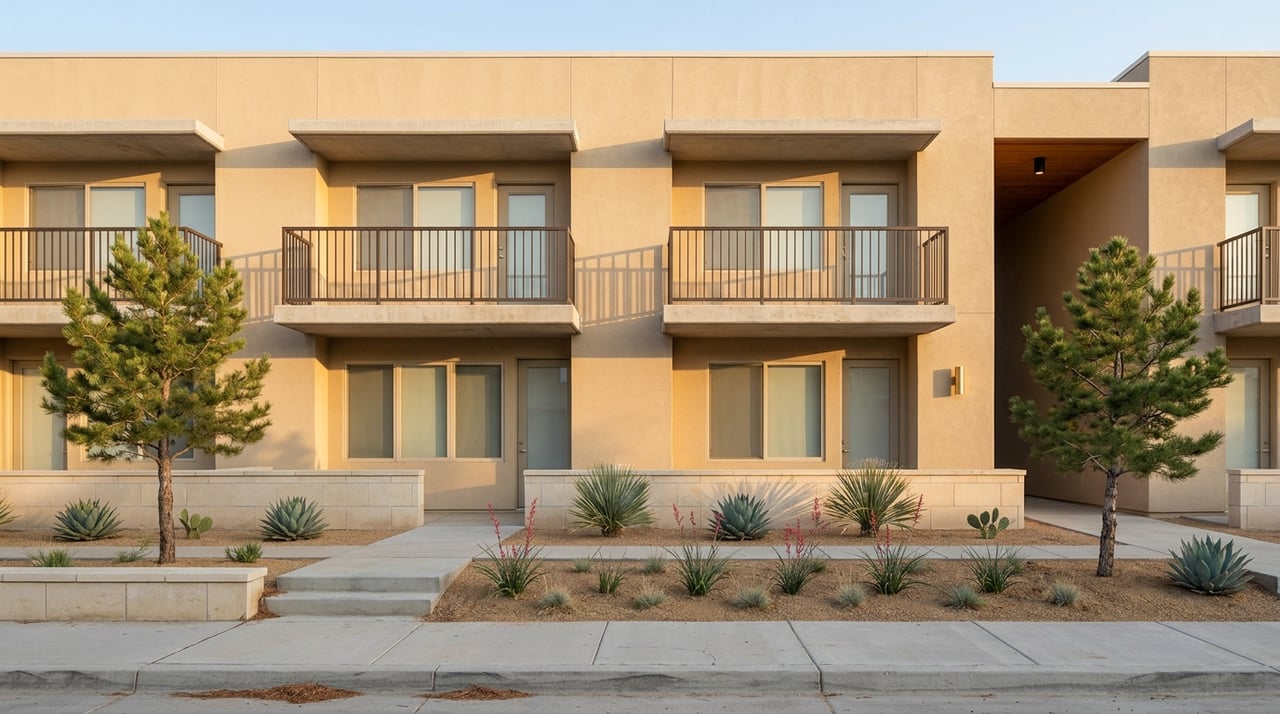
- Townhomes and condos: Sub-association dues often include exterior maintenance, roof, building insurance for common elements, and shared utilities. Review the maintenance matrix to know what is covered versus what is yours.
Always verify who maintains what. The governing documents and the insurance declarations will spell out responsibilities for roofs, exterior walls, windows, and more.
Tradeoffs and rules to plan for
HOAs balance community standards with individual use. Common tradeoffs include:
- Design approvals: Architectural review for exterior paint, fencing, solar panels, hardscape, or outbuildings.
- Use restrictions: Rules around pets, parking, rentals, and short-term rentals.
- Signage and seasonal decor: Guidelines on placement, size, and duration.
- Assessments: Routine dues plus the possibility of special assessments for larger projects.
- Enforcement: Fines, violation notices, and possible suspension of amenity access for noncompliance. Unpaid assessments may result in liens as allowed by the CC&Rs and state law.
How disputes are handled
Most associations outline notice and hearing procedures in their rules. Many also provide for alternative dispute resolution before court action. New Mexico law and your specific documents will shape what remedies are available. Ask to see the fine schedule, hearing policies, and recent meeting minutes to understand how the board handles issues in practice.
Buyer due diligence checklist for Mesa del Sol
Act early and be thorough. Request these items in your offer or during your option period:
- The full HOA resale packet with the CC&Rs, bylaws, rules and regulations, recent meeting minutes, and current fee amounts.
- The most recent reserve study and the current reserve balance.
- A list of recent and pending special assessments and how they were approved.
- A fee breakdown showing master and sub-association dues, payment schedules, and what each fee covers.
- Rental and short-term rental rules, pet policies, parking guidelines, and any use restrictions relevant to your plans.
- The HOA’s collections policy, current delinquency rate, and any existing liens on the property.
- Insurance declarations for common areas and buildings, plus a list of owner maintenance responsibilities.
- Management details: Whether the association is self-managed or uses a management company, with contact information.
- The last 12 months of board meeting minutes for insight on repairs, community issues, and upcoming projects.
Seller prep checklist
Make your sale smoother and reduce surprises by preparing upfront:
- Assemble the HOA disclosure packet early and confirm the current fee amounts.
- Verify if there are any arrears or pending assessments tied to your property and how they will be handled at closing.
- Highlight amenities and recent capital improvements in your marketing where applicable.
- If there are rental caps or restrictions, be ready to explain how they work and provide documentation.
How to read budgets and reserve studies
You do not need to be an accountant to spot the essentials:
- Operations vs. reserves: Operations cover routine costs like landscaping, management, and insurance. Reserves fund long-term replacements like roofs or paving.
- Reserve adequacy: A healthy reserve balance aligns with the reserve study’s recommended funding plan. Significant shortfalls can signal future special assessments.
- Trends over time: Compare the current budget to the previous year. Look for rising costs, deferred maintenance, or new contracts that could affect fees.
- Notes and minutes: If the numbers raise questions, check meeting minutes for context on bids, project timelines, or policy changes.
Common homeowner scenarios in Mesa del Sol
Before you commit to a plan, confirm the rules and approval steps:
- Short-term rentals: Many associations limit or regulate STRs. Request written rules and ask how they are enforced.
- Adding solar panels: Most HOAs require architectural review for rooftop solar. Submit your plans early and confirm design standards.
- Exterior changes and landscaping: Fences, hardscape, and paint typically need approval. Ask for the latest design guidelines.
Red flags to watch
Pause and dig deeper if you see any of the following:
- No reserve study, or one that is very outdated.
- Large or repeated special assessments in recent years.
- High delinquency rates or ongoing collection issues.
- Unclear insurance coverage between the association and individual owners.
- Significant litigation or unresolved code or permit issues involving the developer or HOA.
Local resources to contact
For current, property-specific details, go straight to the sources:
- Mesa del Sol master association or community management office for governing documents, budgets, reserve studies, and minutes.
- Your sub-association management company for building-specific rules, maintenance matrices, and fee scopes.
- City of Albuquerque Planning Department for planned development approvals and master plan references.
- Bernalillo County Recorder for recorded CC&Rs, amendments, and liens.
- Bernalillo County Assessor for property records and tax info.
- New Mexico statutory resources and the New Mexico Real Estate Commission for HOA law and disclosure guidance.
Ready to compare options?
If you like the lifestyle and amenities of a master-planned community, Mesa del Sol can be a smart fit. The key is to verify fees, confirm coverage, and understand the rules before you buy or list. When you want a clear plan and a polished presentation, our team can help you evaluate documents, position your home, and negotiate with confidence. Connect with the K2 Omni Group to talk strategy today.
FAQs
Who enforces HOA rules in Mesa del Sol?
- The association named in the recorded CC&Rs enforces rules; request the CC&Rs, bylaws, and rules and regulations in the resale packet to see specifics.
Are Mesa del Sol HOA fees one bill or multiple?
- Many properties pay a master association fee plus a sub-association fee; confirm whether the listing’s number includes both and ask for a breakdown.
Can Mesa del Sol HOAs levy special assessments?
- Yes; CC&Rs provide procedures for special assessments when annual budgets or reserves are insufficient, with approval thresholds defined in the documents.
Does the HOA cover my roof or exterior?
- It depends on property type; condos and townhomes often include exterior components, while detached single-family homes usually do not—check the maintenance matrix.
Can the HOA place a lien for unpaid dues?
- Most CC&Rs and state laws permit liens for unpaid assessments; collection timelines and remedies depend on the governing documents and New Mexico law.