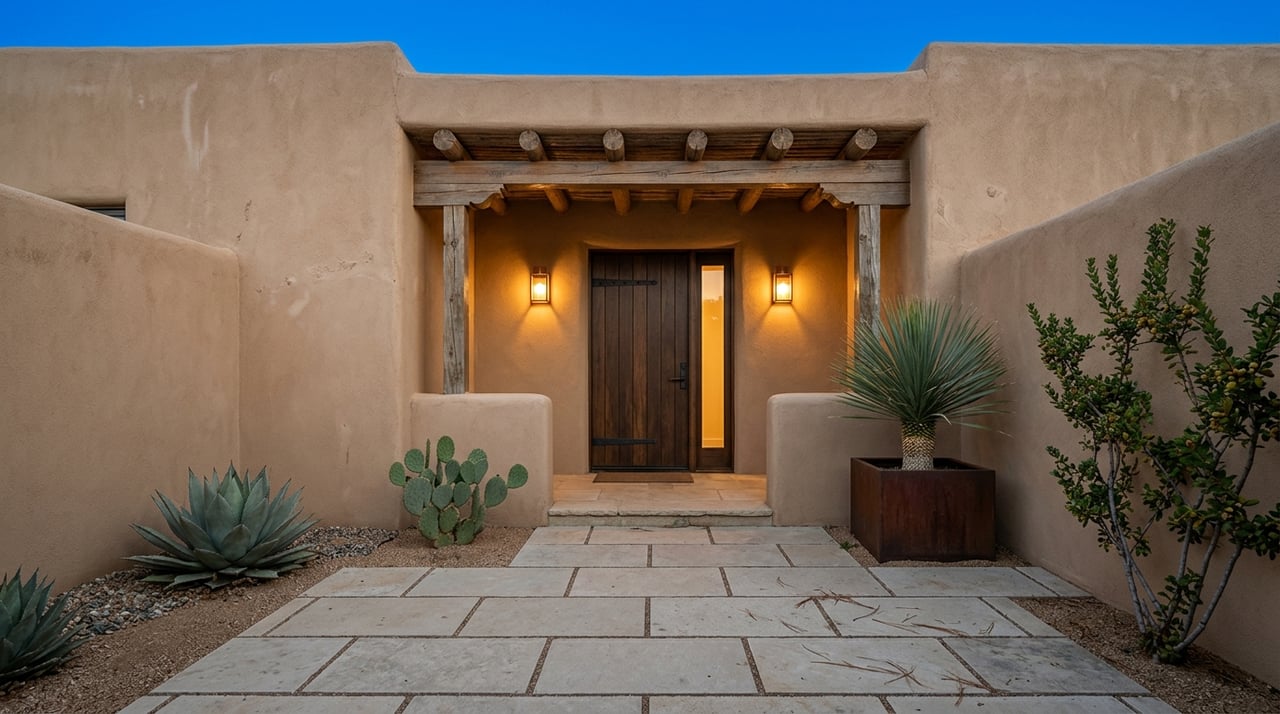
Is A Second Home In Santa Fe Right For You?
June 25, 2026
June 25, 2026
Are you dreaming about a place where you can step into sunshine most of the year, spend your weekends around art, food, and mountain views, and still enjoy four distinct seasons? If you are considering a second home in Santa Fe, you are not alone. For the right buyer, Santa Fe can offer a rare mix of lifestyle, character, and year-round use, but it also comes with real ownership questions you should think through before you buy. Let’s dive in.
Santa Fe stands out because it offers more than one kind of escape. You get a semiarid climate, four seasons, and more than 320 days of sunshine, which makes the city appealing in every part of the year.
According to NOAA climate normals for the Santa Fe 2 station, the average July high is 85.8°F and the average January low is 17.9°F. Annual precipitation is 12.79 inches, and annual snowfall is 20.2 inches. That weather profile can be a big part of the draw if you want a home that feels usable in both summer and winter.
Culture is another major reason buyers return to Santa Fe again and again. The city has more than 250 galleries, regular Friday evening openings throughout the year, a summer season at the Santa Fe Opera, and the Santa Fe Indian Market each August with more than 1,000 Native artists from over 200 Tribal Nations.
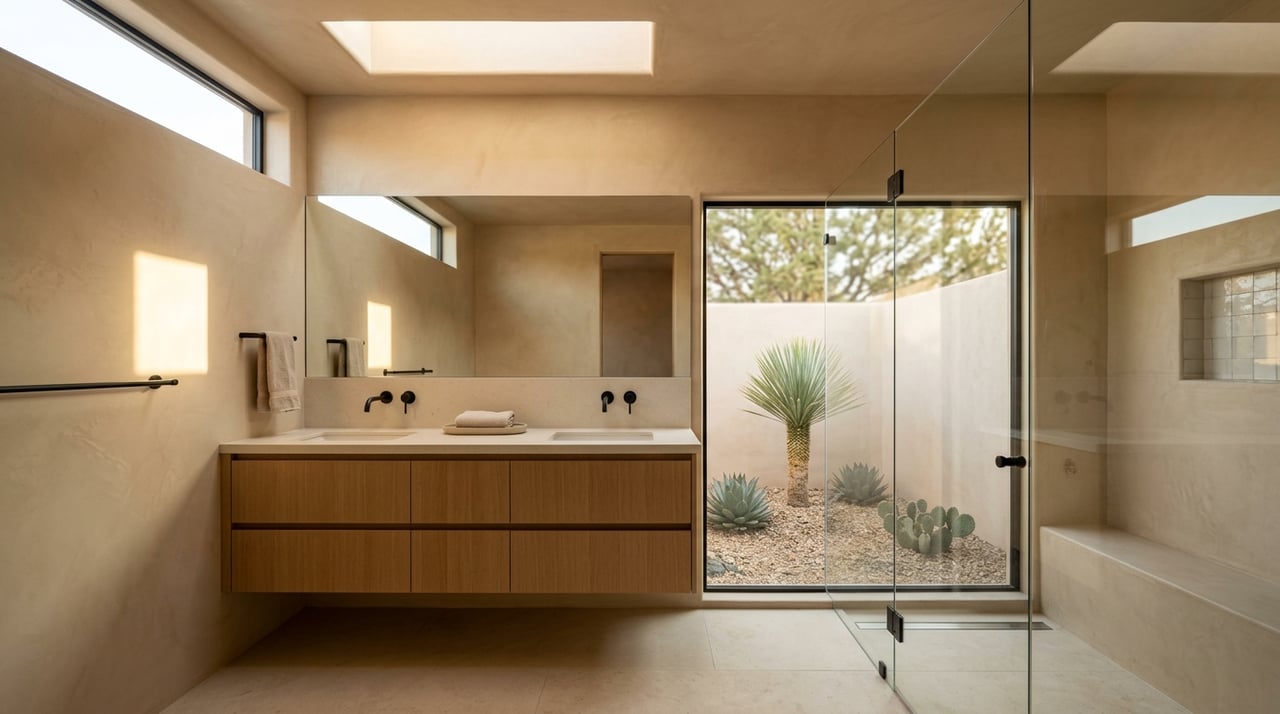
Santa Fe also offers a strong sense of place. Historic adobe, Pueblo, and Territorial styles remain central to the city’s identity, and protected historic districts help preserve that character. If you want a second home that feels distinct from a standard resort property, Santa Fe often delivers that feeling right away.
Outdoor access adds another layer of value. The Santa Fe National Forest spans 1.6 million acres, and Ski Santa Fe is about 16 miles from downtown. That means your second home can support hiking, winter sports, and day-to-day access to nature, not just special occasions.
A Santa Fe second home tends to make the most sense if you plan to use it often. This is a market that can reward buyers who want to come back several times a year for seasonal events, outdoor recreation, and time in a home that feels personal.
If you are looking for a place that simply sits on your balance sheet, Santa Fe may feel less compelling than it does for someone who values regular use. The city’s appeal is tied closely to experience, including its art scene, architecture, climate, and access to the outdoors.
This kind of purchase can also be a good fit if you know what you value most in a second home. Some buyers want historic character and are happy to take on a more hands-on ownership experience. Others want a simpler lock-and-leave setup that is easier to manage from afar.
Owning a second home in Santa Fe usually means thinking beyond the purchase itself. The local climate can be a feature, but it can also shape the kind of planning and support you may need when you are away.
Because of the area’s high elevation, winter snow, and summer thunderstorms, part-time owners should expect to think about winterization, seasonal property checks, and landscape or irrigation oversight. While that is not framed as a city rule, it is a practical ownership consideration based on Santa Fe’s climate.
The type of home you buy can affect how easy the property is to maintain. Santa Fe includes both historic homes and newer construction, and those properties can have very different upkeep needs.
In general, newer homes may be easier to lock and leave than older historic properties, but the real maintenance picture depends on the specific home. A property with strong systems, simpler exterior care, or association support may fit a part-time lifestyle better than one with more specialized materials or age-related upkeep.
In Santa Fe, the best second-home choice often comes down to how you want to live and how much oversight you want to take on. There is no one-size-fits-all answer, but there are a few practical patterns worth considering.
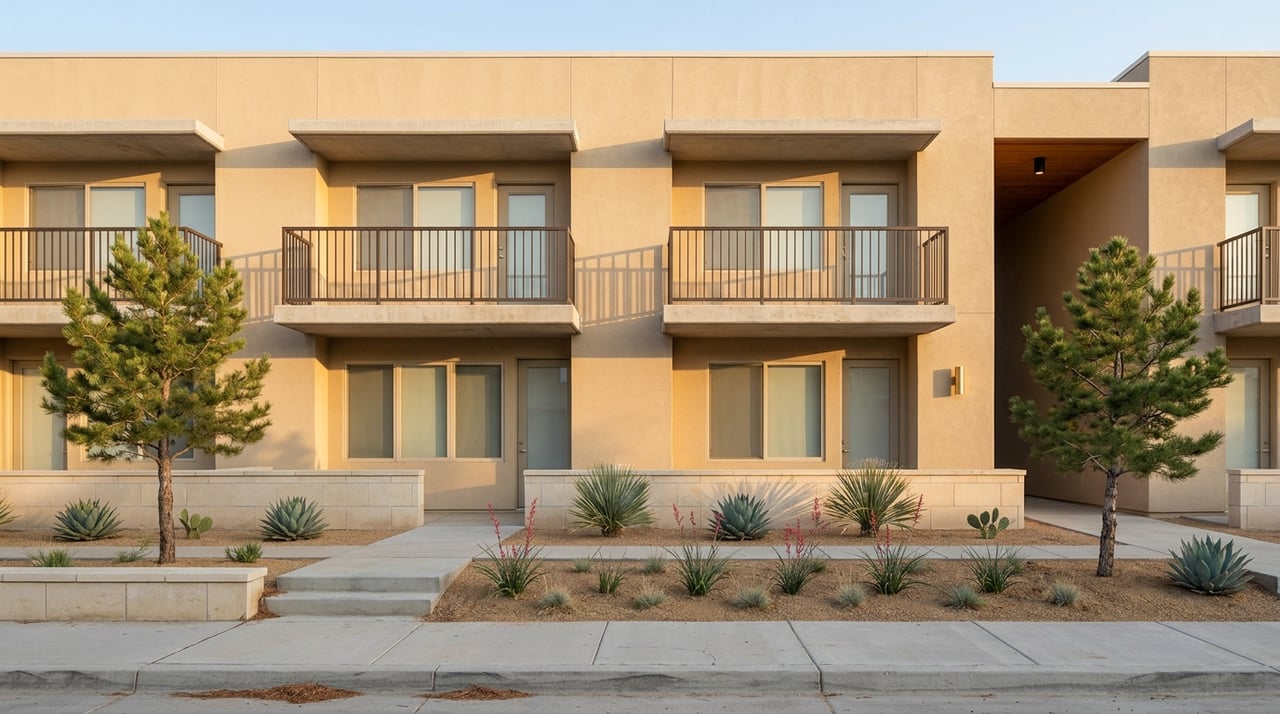
If character matters most to you, a historic adobe home or casita may be especially appealing. These properties often reflect the design traditions that make Santa Fe feel unique.
That said, homes with older materials or historic context can come with added maintenance considerations or design constraints. If you love the look and feel of Santa Fe’s traditional architecture, it is worth making sure you are equally comfortable with the responsibilities that may come with it.
If ease is your top priority, newer construction may be worth a closer look. While every property is different, newer homes are often a practical option for buyers who want fewer day-to-day maintenance concerns.
Condos, apartments, or HOA-managed properties can also appeal to second-home buyers who want a more turnkey setup. Still, you should review association rules carefully before buying, especially if you may want to rent the property in the future.
Casitas are especially relevant in Santa Fe because the city treats some accessory dwellings differently under its short-term rental framework. If you are considering a property with a casita, or buying one as part of your long-term plan, you should understand how the city classifies that property type before you move forward.
If you hope to offset ownership costs by renting your second home, Santa Fe’s short-term rental rules deserve close attention. This is one of the most important parts of the decision.
The city states that any dwelling rented for fewer than 30 calendar days must have a business registration and either a Residential Short-Term Rental Permit or a Non-Residential Short-Term Rental Registration, depending on zoning. Residential short-term rentals are capped at 1,000 permits citywide.
The rules also include a 50-foot spacing requirement. In multi-unit developments with four or more units, short-term rentals are limited to 25% of units, and a single multi-unit structure can have no more than 12 permits.
That matters if you are considering a condo or apartment as a second home with rental potential. Even if a property looks like a strong fit on paper, the permit structure can shape what is actually possible.
The city also notes that HOA covenants can block short-term rental permissions. That means reviewing association documents early is not optional if rental income is part of your plan.
In Santa Fe, short-term rental compliance is not a one-time box to check. Owners need to stay current with annual timelines and operating requirements.
City FAQs say permits expire each December 31. Renewals run from January 1 through April 15, and new applications open April 15 at 5 PM.
The city also requires owners to keep three years of records, have a local operator available 24/7, and include the permit or registration number in advertising. The ordinance allows the city to enforce complaints, fines, and takedowns for noncompliant listings.
If you will not be in Santa Fe full time, this is where planning becomes especially important. A second home can feel easy only when the management details are handled up front.
Rental income may sound helpful, but taxes are a real part of the equation. If you plan to operate a short-term rental, you should understand the local tax picture before you buy.
The city says short-term rental owners must pay applicable local, state, and federal taxes, including lodgers’ tax, gross receipts tax, and income tax. New Mexico’s Taxation and Revenue Department states that gross receipts tax applies to businesses and includes receipts from leasing or licensing property in New Mexico.
Santa Fe County states that lodger’s tax on lodging is reported monthly and paid by the 25th. That monthly obligation can be easy to overlook if you are focused only on purchase price and potential nightly rates.
The county also distinguishes between owner-occupied and non-owner-occupied short-term rentals. It defines an owner-occupied dwelling as the owner’s primary residence for at least 275 days per year, or as an accessory dwelling or casita on the same legal lot of record, and it lists a lower fee for owner-occupied units than for non-owner-occupied ones.
For many second-home buyers, that is the key takeaway. A second home often falls into a different permit and tax bucket than a primary residence.
Before you decide that Santa Fe is the right second-home market for you, it helps to step back and test the fit. A few honest questions can bring clarity quickly.
If your answers lean toward frequent use, realistic planning, and a clear ownership strategy, Santa Fe may be an excellent match.
A second home in Santa Fe can be a smart lifestyle purchase if you want a place you will truly use. The city offers sunshine, four seasons, strong cultural programming, distinctive architecture, and easy access to the outdoors, which gives many buyers more reasons to return throughout the year.
At the same time, the best experience usually comes from going in with clear eyes. Maintenance, property type, HOA review, permit limits, and tax obligations all matter, especially if short-term rental income is part of your strategy.
When you match the property to the way you actually want to live, Santa Fe can become more than a getaway. It can become a place that fits your rhythm, your goals, and the way you want to spend your time. If you are exploring second-home opportunities in Santa Fe, K2 Omni Group can help you evaluate the options with the white-glove guidance and local insight you need.
August 20, 2026
August 13, 2026
August 13, 2026
August 6, 2026
July 23, 2026
July 16, 2026
July 9, 2026
July 2, 2026
June 25, 2026
If you are looking for a real estate company that is committed to providing its clients with the best possible experience, look no further than K2 Omni Pindrop. Contact us today to learn more!
K2 OmnI Group
Roanoke TX 76262