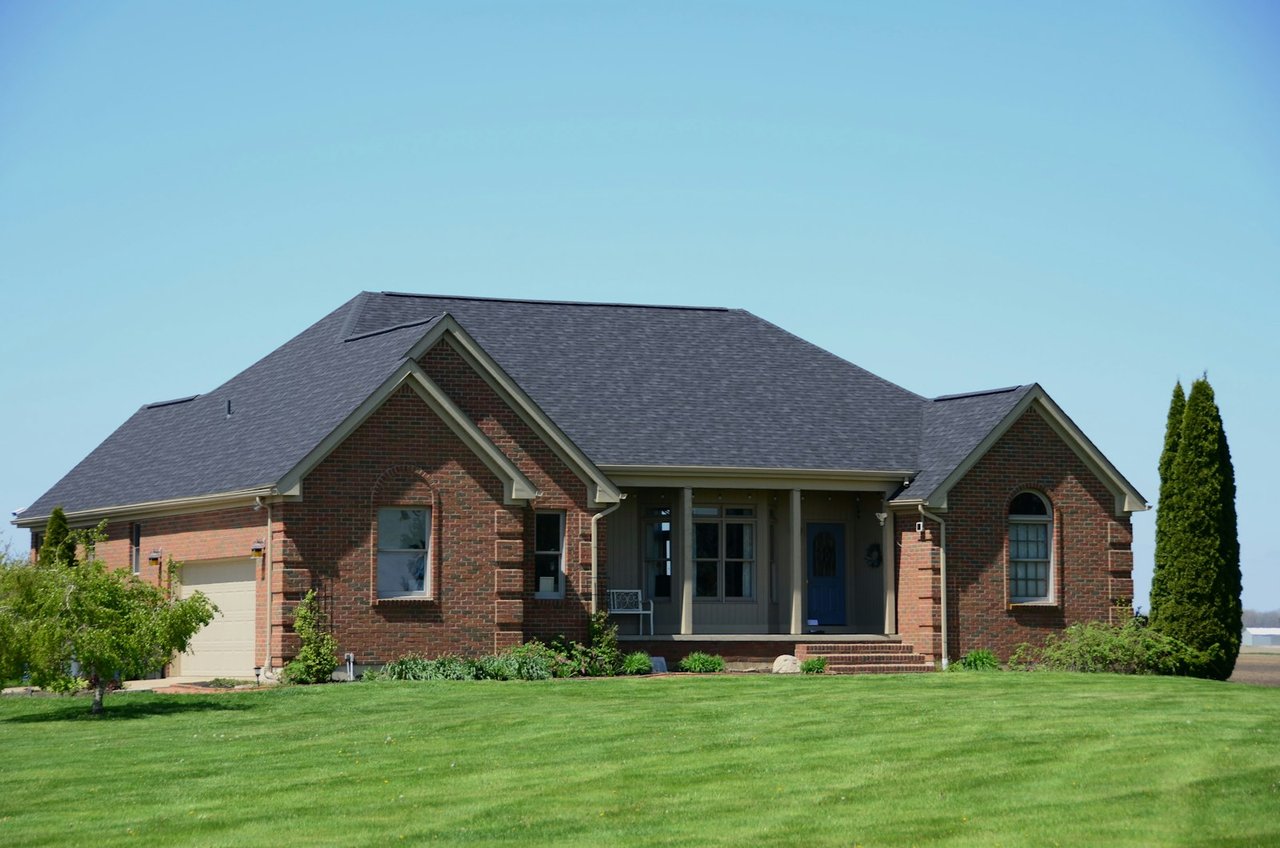
North Texas Voters Just Said No to Billions in Bonds. Here's What That Means for Your Next Move.
November 21, 2026
November 21, 2026
Everybody watches the price of the house. Almost nobody watches the ballot. That's a mistake.
On Nov. 3, North Texas voters were asked for more than $2 billion in school bonds and tax rate elections, and, as KERA reported, they said no almost across the board. Collin County voters also turned down an $817.5 million county bond. Those votes don't change what a home is listed for today. They change what it costs to own it, how long it takes to drive to it, and what the school down the street looks like five years from now.
So let's break down what actually happened, and what it means for you.
Here's the short version, straight from the results:
That's a clear message from North Texas homeowners. The question is what it means for the next person buying or selling a home there.
Here's the part buyers like. In McKinney ISD, the board adopted a lower tax rate of $1.0347 per $100 of value after the VATRE failed, Community Impact reported. The maintenance and operations rate is 3.17 cents lower than it would have been if the VATRE had passed.
But don't overestimate it. The Collin County road bond wasn't an automatic tax hike in the first place. County officials said the debt rate could have gone from 4.18 cents to a maximum of 4.95 cents per $100 by 2031. On a $350,000 taxable value, that's about $27 a year, according to the Allen Record.
At the end of the day, your payment is still driven by price, rate, insurance and the full stack of local tax rates. Run the real numbers on the real address. Don't run them on a headline.
This is the one I'd watch the closest. Collin County Commissioner Darrell Hale told the Allen Record that the road bond's failure will likely stall major projects, including the Collin County Outer Loop and Dallas North Tollway improvements. "It would just bring to a halt to all sorts of roads," he said.
Collin County added nearly 43,000 residents in a single year, the same report notes, citing Census figures. More people, same roads.
So if you're buying in the northern growth corridor because a new road is "coming," ask the hard question. Is that road funded, or was it waiting on this bond? Funded roads move values. Unfunded ones are just a line on a map.
School quality drives demand, and demand drives resale. When bonds fail, the work doesn't vanish. It moves.
In Keller ISD, the superintendent had said that if the bonds failed, building repairs would have to come out of the operating budget, leaving less for salaries and programs, Fort Worth Weekly reported. In Eagle Mountain-Saginaw ISD, leaders said the district may need to cut 197 positions in 2027-28 without the added revenue. McKinney ISD will revisit its budget next month, and the lower rate means about $9 million less revenue this fiscal year, per Community Impact.
That doesn't make these bad places to buy. Not even close. It means you should look at the specific campus, its facilities and the district's plan. Don't assume last year's story still holds.
All of this is landing in a market that already favors patient buyers. Across the Metroplex, October closings fell 15.6% year over year, the median price slipped 1.6% to $379,000, and supply reached 4.6 months, according to MetroTex data. In Denton County, the October median was $430,000, down 2.3%, per the Greater Fort Worth Association of REALTORS®.
And rates just bounced. Freddie Mac's latest survey shows the 30-year fixed at 7.28%, up from 7.11% last week, ending a four-week slide. Freddie Mac's chief economist also pointed out that comparing several rate quotes can save you thousands over the life of a loan. So shop your lender like you shop your house.
If you're buying:
If you're selling:
If you're investing:
Luxury is a feeling, not a price point. Part of that feeling is knowing exactly what you're walking into, from your tax bill to your commute to the school your kids will ride the bus to. That's what we do. We bring the systems and the local knowledge so you make the move with your eyes open.
Call K2 Omni Group at (817) 541-0397 or visit K2OmniGroup.com, and let's run the real numbers on the homes you're looking at in Dallas–Fort Worth.
The price is what you pay today. The ballot is what you live with tomorrow. Read both.
November 22, 2026
November 21, 2026
November 21, 2026
November 21, 2026
November 20, 2026
November 20, 2026

November 20, 2026
November 20, 2026

November 20, 2026
If you are looking for a real estate company that is committed to providing its clients with the best possible experience, look no further than K2 Omni Pindrop. Contact us today to learn more!

K2 OmnI Group
Roanoke TX 76262